DIY Vertical Garden Ideas Using Hanging Planters and Trellises
Overcome balcony space constraints by thinking vertically. This guide shows renters and urban gardeners how to build lush, space-saving gardens with simple DIY hanging planters and trellises—no drilling required.
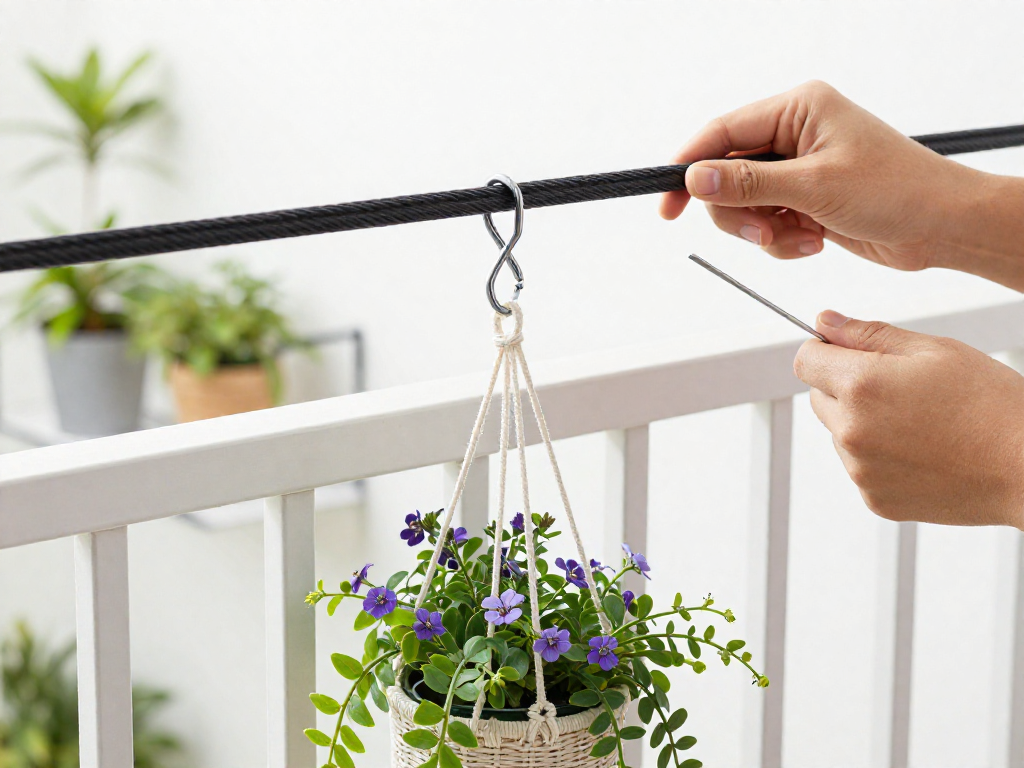
Choosing the Right Hanging Planters for Your Balcony
Your hanging planters are the backbone of any vertical garden, but on a balcony they have to do more than just look good—they need to handle wind, sun, and limited space without causing problems. Picking the right ones will keep your plants happy and your neighbors dry.
Start by thinking about materials. Plastic planters are incredibly lightweight, which makes them a smart choice if your balcony gets gusty or if you’re hanging multiple tiers. They won’t rust, and they’re easy to drill for extra drainage. Metal containers can be stylish, but they absorb heat like a skillet—roots can cook on sunny afternoons, and they’re often heavier than they look, so check your railing’s weight limit. Macramé hangers bring boho charm, but they’re purely decorative: you’ll need a separate pot or a coco liner inside to hold soil, and they tend to dry out faster because air circulates around the entire root ball. Don’t overlook upcycled containers, either. A cleaned-out gallon jug, a sturdy tote, or a repurposed coffee canister can become a unique planter with a little creativity—just make sure it’s safe for plants and has drainage.
Weight matters more than you might think. Heavy ceramic pots can strain railings, brackets, or overhead beams, especially once they’re full of damp soil. If you love the look of terracotta, save it for a shelf right against the building rather than a hanging setup. For rail planters, choose ones that come with robust, rust-resistant hooks that grip tightly. Test your railing’s sturdiness by pressing down on it before loading it up—if it wobbles, stick to lighter options or mount directly to a wall.
Drainage is non-negotiable. Without holes, water pools at the bottom and rots roots. If a planter doesn’t have any, grab a drill (or a hammer and nail for thinner plastic) and add three or four openings. To avoid dripping onto the balcony below, always pair hanging planters with a snap-on saucer or a drip tray. You can also tuck a small piece of landscaping fabric over the holes to keep soil in while letting water escape. Being a considerate upstairs gardener goes a long way in apartment living.
Size and shape depend on where you plan to hang. For railings, rectangular planters that sit securely are ideal—look for ones with a lip that hooks over the top. For overhead beams or ceiling hooks, go with narrower, round pots that won’t swing into your head every time you step outside. To really max out your wall, consider vertical stacking: choose a tiered hanger that holds several pots in a column, or DIY a cascade by linking planters at different heights. This way, you turn that bare wall into a lush, space-smart focal point.
With a thoughtful eye on material, weight, drainage, and fit, you’ll set up a vertical garden that thrives in your balcony’s unique conditions. And remember—start small, watch how your plants respond, and then add on. You’ve got this!
Building a Simple Hanging Planter Wall with S-Hooks and Rails
A hanging planter wall is one of the easiest ways to add instant greenery to a bare balcony railing or wall. You can create a cascading, waterfall-like display using just a few affordable materials, and the entire project takes under an hour. Best of all, you don’t need power tools or permanent alterations—perfect for renters.
What you’ll need
- A sturdy horizontal rod: A tension rod (also called a spring-loaded curtain rod) works wonders for rental balconies because it requires no drilling. If you own your space and want extra security, a screw-mounted curtain rod or a wooden dowel with brackets is even sturdier.
- S-hooks: Look for stainless steel or coated S-hooks that can support the weight of a filled pot. The size depends on your rod and pot rim—usually 2- to 3-inch hooks work well.
- Small hanging pots with rims: Choose lightweight pots with a pronounced lip or rim so they can hang securely from the S-hooks. Plastic or fiberglass pots are ideal because they won’t overload the rod. Pots around 6 to 8 inches in diameter usually balance visual impact and weight.
- Optional chain extenders: If you want pots to hang at very different heights, a few short lengths of lightweight chain or adjustable macramé hangers let you drop pots lower from the rod.
Step 1: Install the rod securely
Find a spot on your balcony that gets the right light for your plants—most trailing plants love bright, indirect light. If your balcony has side walls or a sturdy frame, place the tension rod between two walls at about eye level or slightly above. Twist the rod until it’s extremely snug; give it a gentle tug to test. For open railings, you can use a curtain rod mounted on the wall or ceiling, but always check your building’s rules first. If you’re screwing into a wall, use appropriate anchors for your surface (drywall anchors for interior walls, masonry screws for concrete).
Step 2: Hang the pots with S-hooks
Hook one end of an S-hook over the rod. On the lower curve, hang a pot by its rim. Play with heights: place some pots directly on the hook so they sit close to the rod, and add a chain extender to others so they dangle lower. For a lush, cascading effect, stagger the heights in a random pattern—three pots at eye level, two dropped 10 inches, and one even lower. Stand back and adjust until it looks balanced.
Step 3: Choose the right plants and fill your pots
Trailing plants are the secret to making this wall look overflowing and vibrant. Fill each pot with a well-draining potting mix, then tuck in young plants near the edge so they can spill over as they grow. Top picks for a waterfall effect: - String of pearls or string of hearts for delicate, bead-like trails. - English ivy or pothos for fast-growing, classic greenery. - Trailing petunias, nasturtiums, or lobelia if you want seasonal flowers. - Creeping Jenny for bright chartreuse foliage that catches the light.
Water the pots thoroughly and let them drain before hanging—damp soil is heavier, so give them a moment in the sink or on a saucer. Once hung, check that the rod isn’t sagging; if it is, you might need fewer pots or a stronger rod.
A few safety tips
- Never exceed the rod’s weight limit. A standard tension rod holds about 10–15 pounds, which covers several small plastic pots with soil and plants. If in doubt, weigh one filled pot and multiply by the number you plan to hang.
- In windy spots, use heavier pots on lower hooks to help stabilize the display, or secure the rod with small zip ties to the railing for extra grip.
- Check the setup weekly at first to make sure nothing slips. After a few days, the rod and hooks usually settle into place.
This simple system gives you a lush, vertical garden that transforms a blank wall or railing into a living tapestry. You can swap out plants seasonally or propagate new cuttings right in the display, making it a endlessly adaptable feature for your urban oasis.
DIY Trellis Ideas for Climbing Plants in Small Spaces
When floor space is scarce, trellises let you grow up, turning bare walls and corners into lush, productive vertical gardens. These four DIY designs are perfect for tiny balconies—they’re easy to build, renter-friendly, and sturdy enough to support vigorous climbers.
Wall-Mounted Grid Trellis
Attach a lightweight wooden lattice or metal wire grid to a wall or railing using removable adhesive hooks or tension rods. This zero-floor-space solution works wonders for morning glories, jasmine, or mandevilla. Simply train the vines through the openings as they grow, and you’ll have a living tapestry in weeks. If you’re renting, check if your balcony allows adhesive hooks—most removable options leave no trace.
Leaning Ladder Trellis
An old wooden ladder, leaned securely against a wall or railing, becomes an instant support for sweet peas, climbing nasturtiums, or even small cucumbers. No drilling or hooks needed—just rest the feet on a non-slip mat. You can paint the ladder to match your décor, and when the season ends, it folds flat for storage. This is the ultimate low-effort trellis for beginners.
Bamboo Pole Teepee
In a large container, push three to five bamboo poles into the soil and tie them together at the top with twine. This freestanding teepee is perfect for beans, mini cucumbers, or thunbergia. It maximizes growing space while adding architectural charm. As plants climb, they’ll shade the pot, reducing water needs—a smart trick for sunny balconies.
Folding Fan Trellis
For a more polished look, create a fan-shaped trellis using wooden slats, small hinges, and a bit of outdoor-safe paint. When open, it supports lightweight vines like cardinal climber or canary creeper; when not in use, it folds compactly to store behind a chair. Mount it in a narrow planter or attach it to a rail with zip ties. This design is a conversation starter and a great weekend DIY project.
All these trellises thrive in containers, so pair them with deep pots and rich potting mix. Choose plants that match your light conditions, and you’ll enjoy a green curtain that turns your balcony into a private oasis.
Upcycled Vertical Garden Projects Using Household Items
Transform everyday items into thriving vertical gardens with these easy upcycling projects. Not only do they save money, but they also add a personal, eco-friendly touch to your balcony.
Over-the-door shoe organizer: Choose a fabric or plastic organizer with deep pockets. Fill each pocket with a mix of potting soil and compost, then tuck in herb seedlings like basil, mint, or thyme. Hang the organizer on your balcony door or railing using sturdy hooks. Water carefully—the pockets drain quickly, so check them daily. This creates an instant living wall of fragrant greens right at eye level.
Wooden pallet garden: Find a clean, heat-treated pallet (look for the HT stamp). Staple heavy-duty landscape fabric to the back, bottom, and sides, leaving the top open. Fill the interior with lightweight potting soil, then plant succulents or lettuce starts into the gaps between slats. You can also grow strawberries or trailing flowers. Lean the pallet against a wall, and if your balcony is windy, secure it with a simple bracket. Water from the top and let it cascade down—few minutes of drip and your garden is fed.
Gutter planters: Short sections of vinyl gutter make sleek, shallow planters perfect for salad greens. Cut gutters to your desired length, snap on end caps, and drill a few drainage holes. Mount them horizontally on sturdy brackets attached to a wall or railing—space them about 12 inches apart. Fill with potting mix and sow lettuce, spinach, or arugula seeds. Their clean lines and metallic sheen can really modernize a small balcony.
Tin can tower: Save your soup cans! Clean them thoroughly, remove labels, and punch drainage holes in the bottoms. Paint them in bright, cheerful colors with rust-resistant spray paint. Stack three or four cans vertically, aligning their bottom holes, and run a long bolt or threaded rod through the center, securing with nuts and washers at each end. Fill each can with soil and plant strawberry runners or small flowers like petunias. It’s a charming, space-saving tower that adds vertical color and even some fruit.
Seasonal Care and Maintenance for Balcony Vertical Gardens
Seasonal Care and Maintenance for Balcony Vertical Gardens
Your vertical garden is set up and flourishing—now let’s keep it that way through every season. With a few simple routines, you can enjoy lush growth, long-lasting blooms, and healthy plants year-round, even in a small balcony space.
Smart Watering for Busy Gardeners
Consistent watering is the backbone of a thriving vertical garden, but balcony life can make daily hand-watering tricky. Consider self-watering globes that slowly release moisture into each planter—they’re affordable and perfect for weekend getaways. For a set-it-and-forget-it solution, a small drip irrigation kit with a timer attaches to your balcony faucet and delivers water directly to each pot. To catch excess drips and protect your floor (and downstairs neighbors), place drip trays or saucers under each planter. In hot summer weeks, check soil moisture every morning; if the top inch feels dry, it’s time to water.
Feeding Your Vertical Garden
Frequent watering in hanging planters and wall-mounted pots leaches nutrients from the soil more quickly than in-ground gardens. Keep your plants robust by applying a balanced, water-soluble fertilizer at half strength every two weeks during the growing season (spring through fall). For flowering plants, switch to a bloom-boosting formula with higher phosphorus to extend color. Avoid over-fertilizing—too much can burn roots and lead to leggy growth. If you use slow-release granules, replenish them every 2-3 months as the packaging directs.
Pruning and Deadheading for Continuous Color
A quick trim every week or two makes a visible difference. Pinch back leggy stems to encourage bushier, fuller plants—especially important in vertical setups where sparse growth looks obvious. For flowers, snip off spent blooms just above a leaf node to direct energy into new buds rather than seed production. Use clean, sharp scissors or pruning snips to prevent damage. Trailing plants like pothos or ivy can be gently guided along your trellis or cut back to maintain a tidy shape.
Winterizing Your Balcony Garden
When temperatures drop, your vertical garden needs a little extra protection. Tender perennials and tropicals should be moved indoors to a sunny window before the first frost. For hardy plants that stay outside, insulate their roots by wrapping pots with bubble wrap, burlap, or an old fleece blanket—secure it with twine and leave drainage holes uncovered. Grouping pots together against a wall can create a warmer microclimate, and you can cover the whole assembly with a frost cloth on especially cold nights. If you have a drip system, drain and disconnect it to prevent freezing. Come spring, you’ll unwrap, refresh the soil, and watch your garden come back to life.
A Little Routine Goes a Long Way
By weaving these simple tasks into your weekly and seasonal rhythm, your vertical garden will reward you with healthy growth and vibrant color for months on end. Start with one new habit—like a Sunday morning watering and pruning session—and build from there. Your balcony sanctuary will thank you.
FAQ
How much weight can a balcony railing hold for hanging planters?
It depends on your specific balcony's construction, so it's safest to check with your building management or a structural engineer. As a general rule, many railings can support 10-15 pounds per linear foot, but always distribute weight evenly and use lightweight planters. Avoid overloading and consider using a railing planter support bracket to reduce strain.
What renter-friendly methods can I use to mount a trellis without drilling?
Use tension rods placed between the ceiling and floor, or adjustable spring-loaded curtain rods inside the balcony frame. Alternatively, secure a trellis to the railing with heavy-duty zip ties or hook-and-loop straps, or lean a freestanding trellis against a wall with a non-slip base. These methods leave no marks and are easy to remove when you move out.
Which plants grow best in a vertical garden with limited sunlight?
Shade-loving plants like pothos, philodendrons, ferns, and snake plants thrive in low light and work well in hanging planters. For flowering options, try begonias or impatiens that can bloom with minimal sun. Herbs such as mint and parsley also tolerate partial shade, making them great for shady vertical gardens.
How do I prevent water from dripping onto my neighbor's balcony?
Use planters with built-in saucers or place trays beneath pots to catch excess water. Consider lining hanging planters with coco coir and adding a plastic liner with drainage holes at the bottom, but only after confirming your balcony allows dripping. Self-watering planters also minimize runoff, and you can water plants over a sink or bucket indoors, then return them outside.
Can I build a vertical garden if my balcony is very windy?
Yes, but choose sturdy, secure setups: use heavy-bottomed floor stands for vertical planters, and anchor trellises with sandbags or clamps to the railing. Opt for wind-tolerant plants like succulents, ornamental grasses, or sturdy shrubs, and avoid tall, top-heavy designs. Regularly check fastenings and bring in plants during severe weather warnings.