How to Blend Fragrance Oils for Soy Candles Without Muddy Scents
You mixed vanilla, lavender, and sandalwood. Sounded romantic in your head. But the candle? It smells like a discount store at 3 p.m. on a Tuesday. This is the muddy scent trap, and soy wax makes it even easier to fall into. Soy holds fragrance differently than paraffin—it’s softer, quieter, and brutally honest. It won’t mask your mistakes with loud throw. So when your ratios are off, you don’t get "complex." You get confused. The oils are fighting instead of singing. Here’s the thing: blending isn’t about throwing nice smells into a pot and hoping they get along. It’s about structure. Without it, even expensive oils turn into a gray, forgettable blob.
Fragrance Has a Skeleton: Learn It
Every fragrance has a body. Top notes hit first—citrus, herbs, light fruits. They’re the flashy intro. Middle notes are the heart. Florals, spices, tea. They show up once the top notes burn off. Base notes are the foundation. Woods, resins, vanilla, musk. They stick around and give your candle weight. But most people blend top with top, or dump three heavy base notes together and wonder why their living room smells like a melted candle factory. You need balance. A proper soy candle scent blending formula usually follows something like 30% top, 50% middle, 20% base. Not a rigid law. More like a guardrail. When you learn to identify which family each oil belongs to, you stop guessing and start building. That’s when fragrance mixing becomes intentional instead of accidental.
The "One Star" Rule Saves Every Batch
When you blend fragrance oils, pick one star. Just one. This is your lead singer. Everything else is backup. If your star is fresh-cut rose, your backups should support that story—not try to steal the show. Maybe a touch of green stem. A whisper of soft musk. Not rose, jasmine, cinnamon, pine, and coconut. That’s not a candle. That’s chaos in wax. Candle perfume recipes that actually work usually contain three to five oils max. Beyond that, your nose can’t tell what’s happening anymore. The brain just registers "sweet" or "spicy" and moves on. Boring. Keep your backups at half the volume of your star, or less. Let the lead note do the talking. Trust me, restraint smells expensive. Over-blending smells like you gave up.
Test Like Your Reputation Depends On It
Never pour a full batch based on a bottle sniff. Oils change when heated. What smells divine on a tester strip can turn sour or vanish completely in soy wax. Make tiny sample candles first. I’m talking one-ounce jars. Mix your blend, let it cure for at least three days, then burn. Actually burn it. See how the scent throws. See what happens at the halfway mark. Some oils behave like divas—they dominate early, then ghost you. Others start quiet and bloom once the wax pools. This is where most people quit. They think their blend failed. But it didn’t. It just needed editing. One oil too loud? Drop it by half a percent. One note missing? Add a bridge scent to connect the others. Fragrance mixing is editing, not inventing. Cut what doesn’t serve the story.
Know Your Families, Respect the Boundaries
Not all scents want to be friends. Gourmand vanillas can turn florals into cheap body spray. Sharp citrus can make earthy woods smell like cleaning products. You can break rules, sure. But you have to know the rules first. Stick within families when you’re starting out. Woods with woods. Florals with soft greens. Citrus with herbs. Once you understand why they get along, then you can introduce a wildcard. A tiny drop of black pepper in a floral blend. A splash of bergamot in a woodsy base. That contrast creates spark. But contrast without structure just creates noise. Think of it like music. Dissonance works when it resolves. If it never resolves, you just have a headache. Same with soy candle scent blending. Build harmony first. Then add the surprise.
Stop When It’s Good
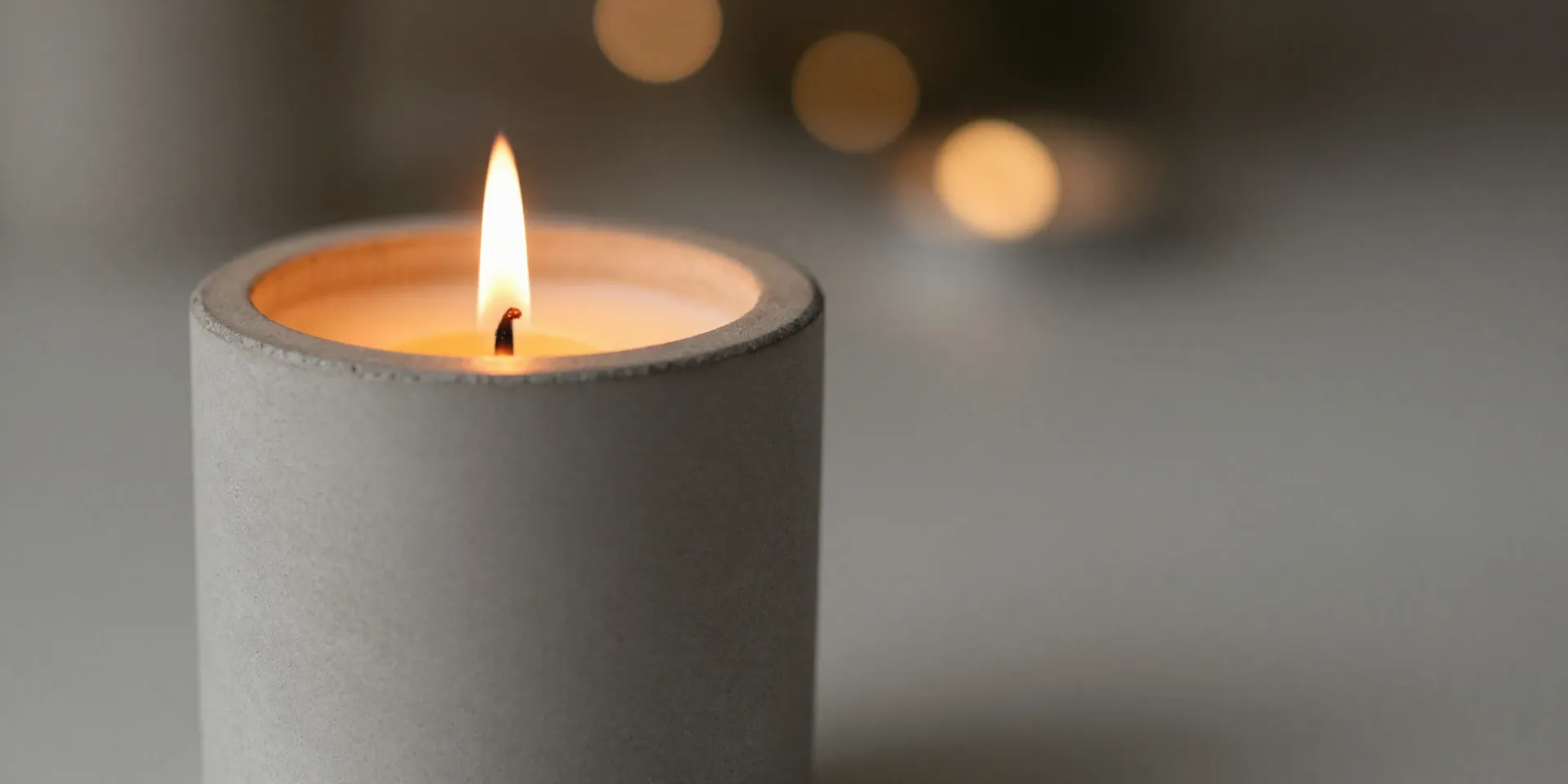
Here’s the hardest part. Knowing when to put the dropper down. You will always want to add one more thing. A little more depth. A touch more sweetness. Resist. Some of the best candle perfume recipes are shockingly simple. Two oils. Maybe three. Clean. Recognizable. Confident. Soy wax doesn’t hide. That’s actually its gift. When your blend is good, you’ll know. It won’t smell like ten things. It’ll smell like one perfect thing. Like walking into a room and immediately feeling something. That’s the goal. Not complexity for complexity’s sake. A scent that knows exactly what it is. Light it. Leave it alone. Your nose did its job.